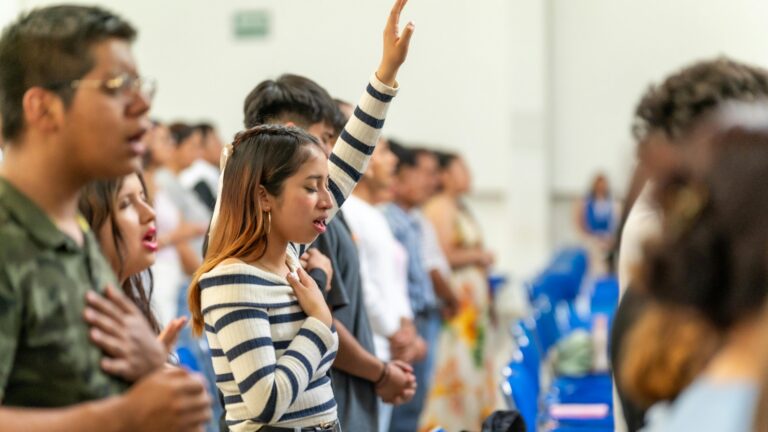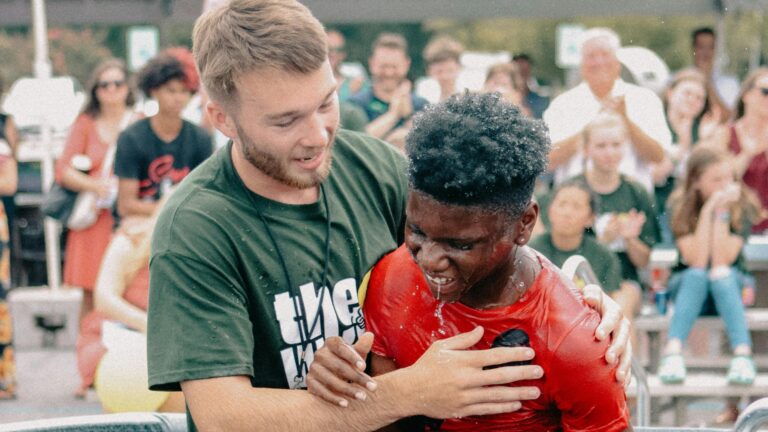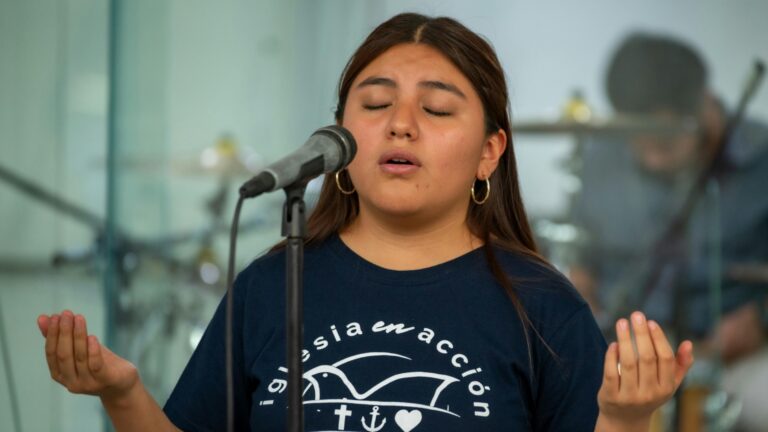
Congregations across the nation have noticed a disconnect between young people and their own cultures. Some tie this to core beliefs and teachings being misaligned with young adults’ own beliefs. While this may be true for some, many churches are struggling with finding ways for young people to fit into their internal cultures.
Young adults are not necessarily rejecting faith. Many are just searching for meaning, purpose, and connection. What they are often struggling with is how that faith is expressed in a particular community. When the culture feels distant or inaccessible, it becomes harder to engage, no matter how strong the message may be.
Defining Congregational Culture
Culture is not always visible to those who are already part of it, which can create challenges for faith communities. Longstanding members often move through the space with ease because it feels familiar. For someone new, especially a young adult, those same patterns can feel confusing or even exclusionary. This might show up in small but meaningful ways. It could be the language used during a service, the assumptions made about people’s backgrounds, or the way relationships are formed within the community. None of these are inherently negative, but together they shape how a church is experienced.
Some congregations have found that the most effective way to bridge this gap is not by abandoning tradition, but by becoming more aware of how it is communicated and lived out. This often begins with listening. When young adults are allowed to share their experiences openly, patterns start to emerge. Leaders begin to see what feels welcoming to newcomers and what feels like a barrier.
In many cases, the goal is not to replace existing practices, but to create space for new ones alongside them. This might mean offering different ways to engage with worship, creating opportunities for conversation across generations, or being more intentional about how people are invited into the congregation.
The Role of Intergenerational Relationships
Intergenerational relationships can play a significant role in the connection of culture. When young adults build meaningful connections with older members, the church’s culture becomes easier to understand and navigate. At the same time, those relationships often bring new perspectives, strengthening the community as a whole.
Churches with the ability to bridge cultural gaps share common actions. They’re willing to reflect on their own practices, ask honest questions, and remain open to growth. They recognize that culture is not fixed but evolves as people come together and shape it over time. For leaders, one helpful place to begin is with a simple question: What might feel unfamiliar or unclear to someone encountering this community for the first time?
A Shift In Perspective
Questions like the one above invite a new perspective. It creates space to see the church not only from the inside, but through the eyes of those who are still finding their place.
When churches take that step, something begins to shift. The gap between intention and experience starts to close. Young adults are more able to see themselves within the community: not as outsiders trying to interpret it, but as participants helping to shape it.
Faith doesn’t need to change for this to happen. But the way it is expressed, shared, and experienced often does. An open posture, coupled with a willingness to take risks, is essential in creating an inviting space for young adults. When expression becomes more accessible, more relational, and more aware, it opens the door for deeper connection across generations.